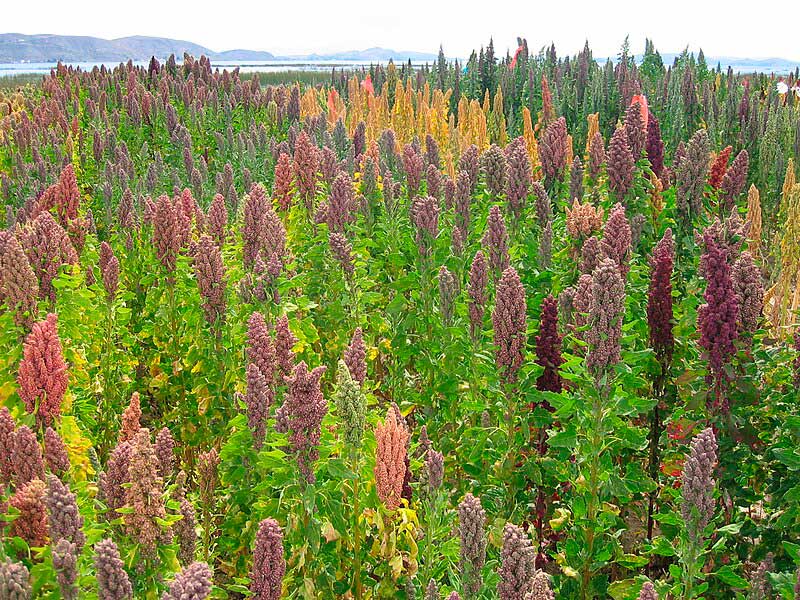
Quinoa is a grain native to the extensive highland area of the Andes mountain range, with wide geographical coverage in the territory of Bolivia - it grows between 2500 to 4000 meters above sea level, in arid and semi-arid land, it is highly resistant to climatic adversities and atmospheric.
Description of the Product
WHAT IS QUINOA
This small seed captivates those who opt for a natural and organic diet. It provides as much energy and fiber as whole grains, very complete vegetable proteins and an exceptional amount of minerals.
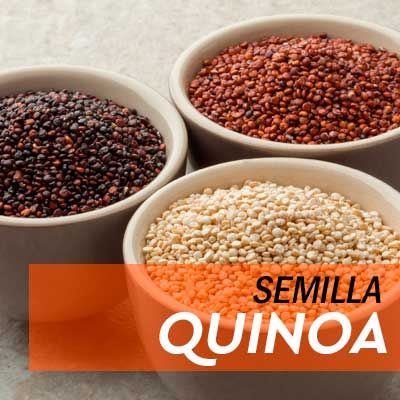
Its crisp grains, light yellow in color, have a delicate flavor halfway between rice and couscous, and have the virtue of not tiring the palate or "cleansing" it of other more intense flavors. Once made, they are loose, shiny, and their spiral germ gives them an original presence that gives a lot of personality to the recipes.
The cultivation of quinoa (Chenopodium quinoa), a chenopodiaceae plant (like chard), began at least three millennia ago, possibly around Lake Titicaca, and was the basic food of indigenous cultures. until the arrival of the Spanish conquistadors.
The ancient Incas called quinoa "chisaya mama", that is, "the mother of all grains", and the emperor reserved the honor of planting the first seeds of the season with golden tools.
The Europeans, upon their arrival, disrupted centuries of relationship with quinoa, as they tried to eradicate it by all means. Unaware of the properties of quinoa, they devastated crop fields and prohibited its planting under the threat of severe punishments. It was replaced by crops such as potatoes, corn or wheat.
The argument was that it was a bitter food and not suitable for baking, but some historians believe that the true meaning of this rejection was the sacred character it had for the indigenous people, and that as a symbol it represented a culture that wanted to bow down.
Well into the 20th century, this extraordinary food rose from the ashes as a result, in part, of the research of North American scientists who brought to light its nutritional virtues. In 1982, its cultivation was established in Colorado, and such are the benefits of quinoa that NASA became interested in it as a superfood to be grown in space.
PROPERTIES OF QUINOA AND NUTRITIONAL VALUE
Compared to traditional cereals, quinoa has a high amount of protein (13% of its weight, almost double that of rice) with proportions of essential amino acids that favor its assimilation.
Its carbohydrates represent 69% of its weight and provide 374 calories per 100 g. Therefore, it is an optimal source of energy that is released slowly because it is accompanied by a good dose of fiber (6 g out of 100).
It is also rich in essential minerals, such as iron (a 60 g serving provides 46% of daily needs), but also magnesium, phosphorus, manganese, zinc, copper and potassium. It also provides vitamin B2 (13%) and B3 (9%). To this we must add that it does not contain gluten and is well digested.
The properties of quinoa, especially its proportion of proteins, higher than in any cereal, and the fact that it does not require pesticides or fertilizers, have made quinoa a highly appreciated food among followers of natural nutrition. , especially vegans, who have in it a luxury ingredient to complete their diet without presenting a lack of quality proteins.
HEALTH BENEFITS OF QUINOA
The energy, protein and mineral richness of this seed makes it a very complete food and suitable for all ages. These are some of the many benefits of quinoa.
QUALITY ENERGY
Quinoa is a very healthy source of energy in general, but due to its properties it is ideal if you do sports. Due to its starch, it supplies progressive muscle energy in resistance exercises, a virtue that its branched amino acids enhance. In addition, its proteins ensure muscle repair and development in strength sports.
It is suitable for diabetics, as it has a low glycemic index thanks to its complex carbohydrates, fiber and content of isoleucine, leucine and valine, which balance blood sugar.
MORE MENTAL PERFORMANCE
Among the benefits of quinoa is the constant supply of energy to the nervous system, which promotes mental performance. Also phenylalanine, which is involved in the synthesis of neurotransmitters that promote alertness and brain function. Added to this are glutamic acid, magnesium, iron and phosphorus.
EFFECTIVE AGAINST STRESS
Quinoa helps in case of stress thanks to the amino acid tyrosine and the calming effect of tryptophan and glycine. It also provides magnesium, whose deficiency alters the transmission of nervous impulses and causes irritability and nervousness.
INDICATED FOR CHILDREN
It is ideal for babies because it is digested very well and does not contain gluten, and for children in general, as it provides histidine, an amino acid that is not synthesized until adulthood, and arginine, which stimulates growth hormone. It is also advisable during pregnancy due to its richness in proteins and minerals.
QUINOA IN THE KITCHEN
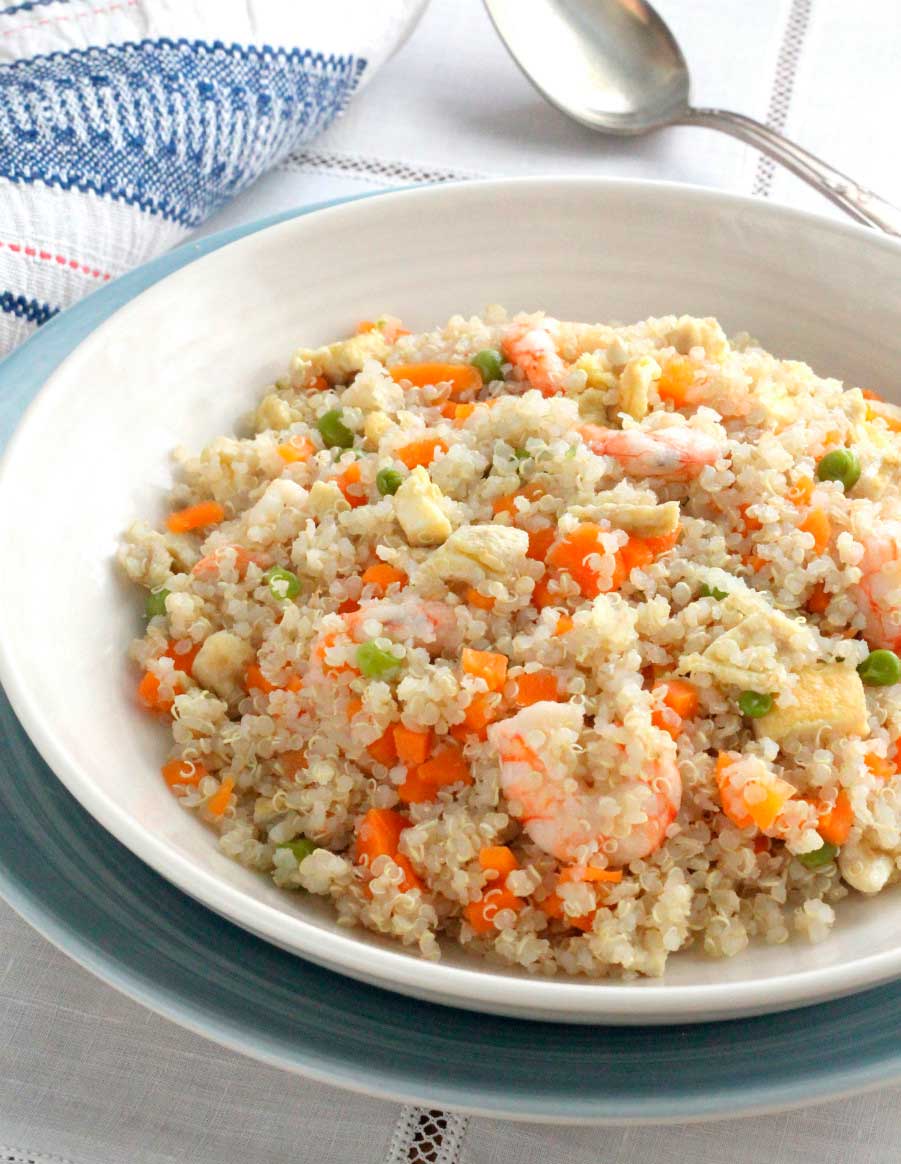
Taking advantage of the benefits of quinoa is easy because this seed offers a wide range of possibilities in the kitchen, to prepare everything from savory dishes to sophisticated desserts.
HOW TO COOK QUINOA
The base recipe for cooking grains is simple. Heat two measures of water and, when it starts to boil, pour in a measure of quinoa, cover it and let it cook over medium-low heat until it has absorbed the water. It usually takes between 12 and 15 minutes.
To prepare quinoa well, it is important to add the quinoa when the water starts to boil and monitor the cooking until the grains are done, that is, until they become transparent and the germ appears in the shape of a spiral tail.