Southern Natural Seeds llc - Exportacion de Chia, Frejol, Quinua, Sesamo de Bolivia
Language:
Follow Us:
   
Products Seeds
WHEAT


CHARACTERISTICS

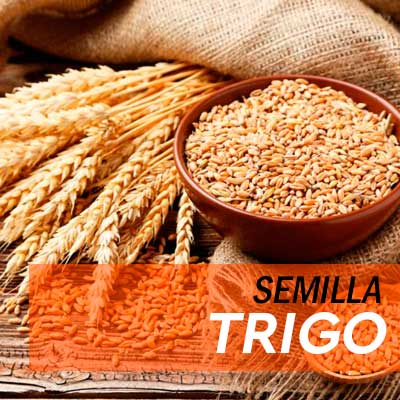
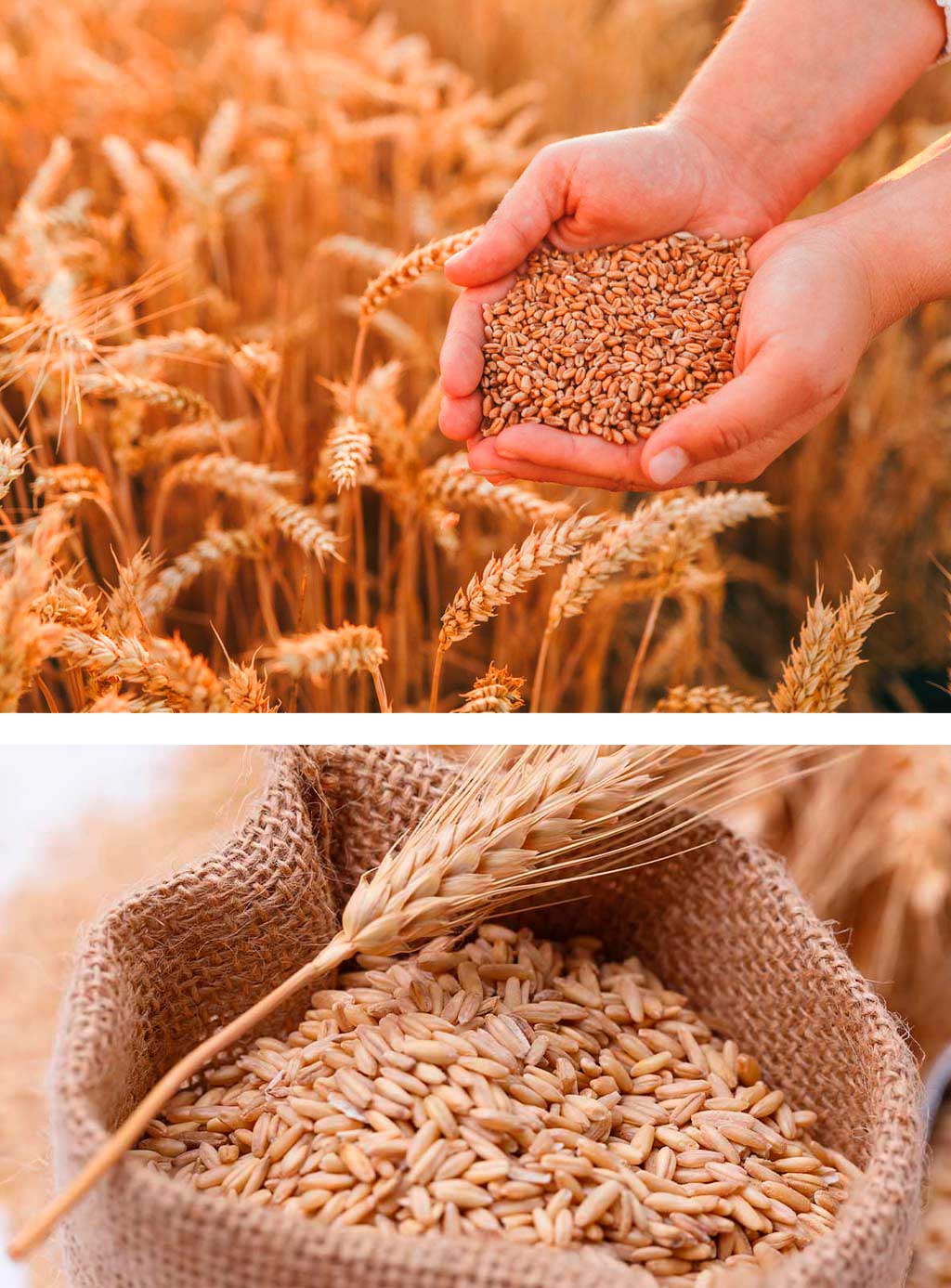
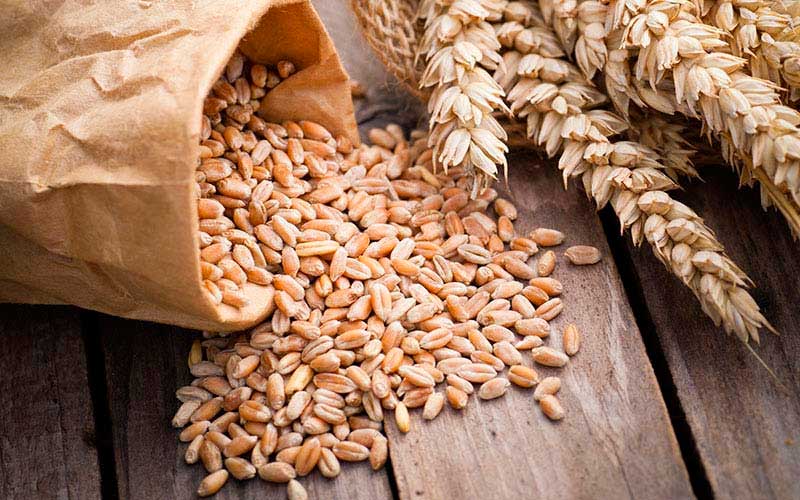
Wheat is an annual grass plant with spikes. That is, it is a type of grass. Its height is variable, ranging from thirty centimeters to one and a half meters long. The stem, straight, cylindrical, gives long, thin leaves that end in the shape of a lance, which is why they are called lanceolate.

Description
of the Product
 

BENEFITS

Wheat is primarily a source of energy (carbohydrates), but also contains significant amounts of other important nutrients such as proteins, fiber, lipids, vitamins, minerals and phytochemicals that can contribute to a healthy diet.

PROPERTIES

Wheat is primarily a source of energy (carbohydrates), but also contains significant amounts of other important nutrients such as proteins, fiber, lipids, vitamins, minerals and phytochemicals that can contribute to a healthy diet.
Starch is the predominant carbohydrate in the plant kingdom and represents more than 90% of the total carbohydrate content in wheat. The high digestibility of starch in refined flour can cause an unhealthy spike in blood sugar after a large intake of, for example, white bread or sliced bread, and have harmful health effects, especially for people with diabetes.
Whole wheat pasta is digested less efficiently and therefore does not raise blood sugar levels to the same extent. It has a high fiber content, 12 to 15% of the dry weight. Most of it is insoluble, passes through the digestive system almost intact and adds bulk to the stool. Some fibers also feed intestinal bacteria.
Additionally, wheat contains small amounts of soluble fiber, or fructans, which can cause digestive symptoms in people with irritable bowel syndrome.
Proteins constitute 7 to 22% of the dry weight of wheat. 80% of wheat protein is gluten, which is responsible for the unique elasticity and stickiness of wheat dough, the properties that make it so useful for making bread. Wheat gluten can have adverse health effects in people with celiac disease and gluten sensitivity.

VITAMINS AND MINERALS FEATURED IN WHEAT

  • Selenium. This trace element has several essential functions in the body. The selenium content of wheat depends on the soil, and is very low in some countries.
  • Match. This mineral plays an essential role in the maintenance and growth of body tissues..
  • Copper. An essential trace element that is often low in the Western diet. Deficiency can have adverse effects on heart health.
  • folic acid. It is essential for the development and functioning of the nervous system.

OTHER VEGETABLE COMPOUNDS

Most of wheat's plant compounds are concentrated in the bran and germ, which are absent in refined white wheat. The highest levels of antioxidants are found in the aleurone layer, a component of bran. Wheat aleurone is also sold as a dietary supplement.
Common plant compounds in wheat include ferulic acid, phytic acid and lutein, an antioxidant carotenoid that is responsible for the yellow color of durum wheat. Foods rich in lutein promote eye health.

Menu
Follow Us
Address: 5833 SW 24 St, Miami FL 33155
Phone: +1 786(538)8167 - info@southernnaturalseedllc.com - Florida - USA
Copyright © 2013 Southern Natural Seeds llc
Web design and development by Infografia Web