Southern Natural Seeds llc - Exportacion de Chia, Frejol, Quinua, Sesamo de Bolivia
Language:
Follow Us:
   
Products Seeds
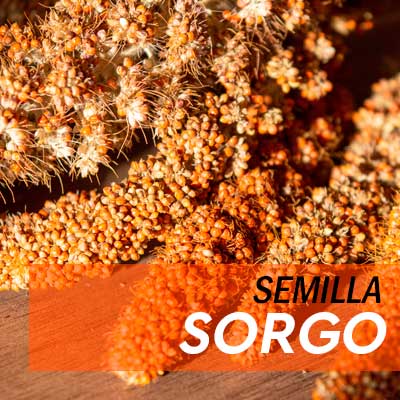
SORGHUM


CHARACTERISTICS

Despite being little known in Europe (although increasingly so), sorghum is the fifth most cultivated cereal in the world according to the Food and Agriculture Organization of the United Nations (FAO). It is native to Africa, although its consumption and cultivation is also typical in Asian countries such as India and China.

This cereal has great nutritional utility, as it provides us with many nutrients, it is very satiating and since it does not have gluten, it is a great option for people with celiac disease.

The main producers for food use in the world are the United States, Nigeria, Sudan, India, Mexico and Argentina, while the rest of the countries cultivate it for other purposes.

Description
of the Product
 

Sorghum Plant

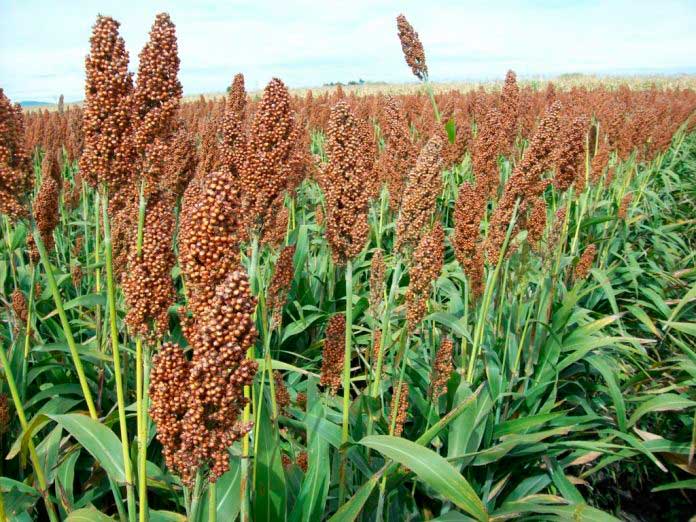
The sorghum plant is visually very similar to corn, differing mainly in its flower which is very different. This plant grows in arid areas, is resistant to heat and drought and develops well in alkaline soils.

Types of sorghum grains

This cereal is very versatile thanks to the large number of types of sorghum grains that exist. They can be classified into:

a) For grain for food use, such as those called milo, hegari, Feterita, Durra, Kafir, Shallu, Kaoliang and hybrid grains.
b) To make grass, such as that of Sudan or ?ca?ota?.
c) For other uses, such as the production of utensils or alcoholic beverages.
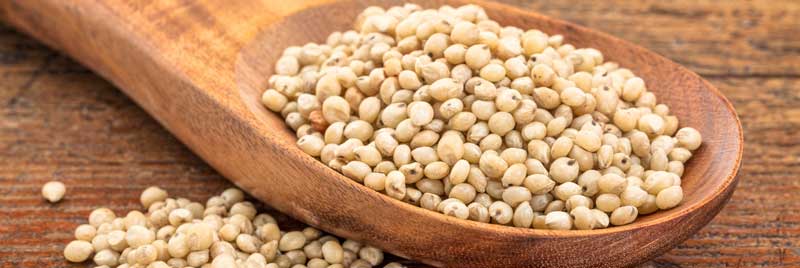
The sorghum grain can have different colors from white to brown, including reddish. However, the grain for food use is white.

Properties and benefits of sorghum

The properties and benefits that sorghum provides us are not few, which is why it is such an important cereal in the world. One of its main characteristics is that it does not contain gluten, making it a very nutritious alternative to making gluten-free foods.
In addition, it has a large amount of vitamins and minerals: it is rich in vitamins such as B and E (this makes it an antioxidant food) and is rich in minerals such as calcium, phosphorus, zinc, insoluble fiber and iron (so it prevents anemia). Other benefits of sorghum, and a very important one, is that it regulates blood sugar levels since it absorbs part of the sugar we consume.
This cereal also provides intestinal health, not only for people with celiac disease because it does not contain gluten, but for everyone since sorghum has antidiarrheal, astringent and homeostatic properties.

Nutritional value of sorghum

(per 100g)
Calories: 307 kcal
Fat: 4 g
Carbohydrates: 72.8 g
Fiber: 7.5g

What types of foods are made with sorghum?

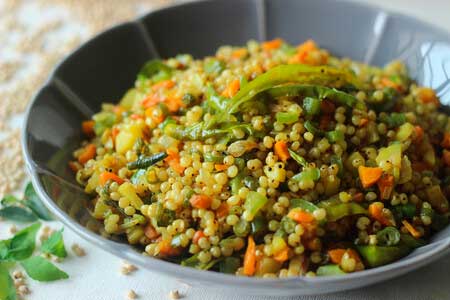
Sorghum is mainly used to make gluten-free flour with which to make foods such as bread, pasta and pastry recipes. However, the grain is also used as an ingredient in salads as a substitute for rice, to cook with vegetables as a garnish or to make popcorn.
The most common foods made with sorghum are bread and pasta. In fact, there are more and more gluten-free pasta brands that are made with sorghum. Although in Spain it can still be difficult to find sorghum, we can find foods made with this cereal like the ones described above.

Menu
Follow Us
Address: 5833 SW 24 St, Miami FL 33155
Phone: +1 786(538)8167 - info@southernnaturalseedllc.com - Florida - USA
Copyright © 2013 Southern Natural Seeds llc
Web design and development by Infografia Web