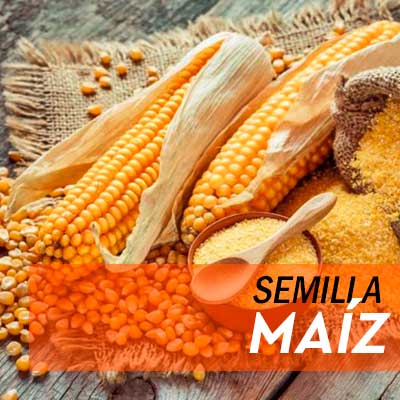
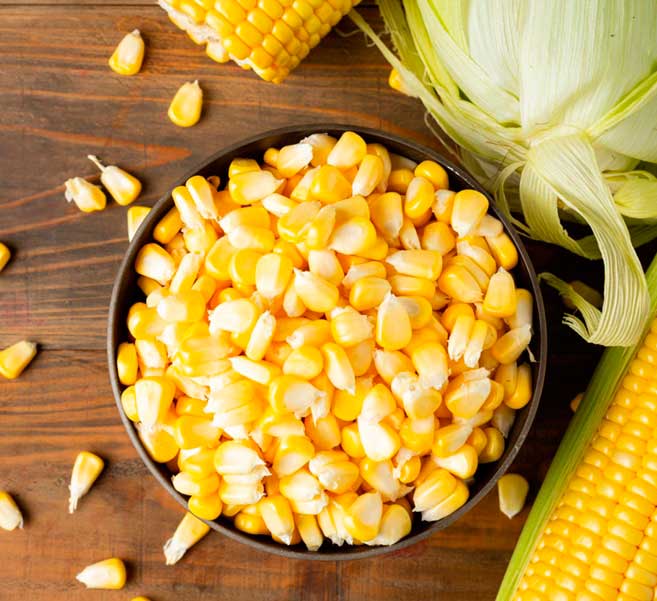
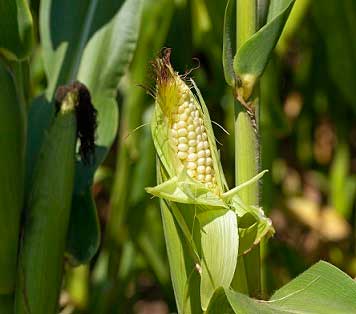
CORN (Zea mays), known as choclo in many Latin American countries, is one of the most cultivated and consumed grasses in the world. This juicy cereal is an excellent source of energy when it is tender, and also when consumed dry, in the form of flour.
The versatility of corn is one of its best-known qualities. Fresh, the cob can be eaten as a vegetable, while the dried grains are mainly consumed in the form of flour. Corn flour, as it does not contain gluten, is a good alternative to wheat flour when making breads and sweets.
However, we must also highlight other ways to enjoy it such as cereal flakes, semolina, polenta or the famous popcorn.
Description of the Product
ORIGIN OF CORN
America is the homeland of corn, where it has been consumed for at least 7,000 years. The nomadic peoples who began to cultivate wild corn became sedentary and developed complex cultures around it.
Such was the importance of corn for the American peoples that there is even the term "Mama Sara" in Quechua ("Mother Corn" in Spanish). Its name "choclo" comes precisely from Quechua. Corn was worshiped by the Incas, who had this cereal as their main source of wealth.
NUTRITIONAL VALUES OF CORN
Corn, if consumed tender, has a high percentage of water and mainly sugars, which give it a sweet flavor. This composition makes it quite light: it provides only 86 calories per 100 grams. It is also a very nutritious cereal. Lets see its nutritional composition.
Nutritional value per 100 g of sweet corn
Calories
86
Carbohydrates
19 g
Fats
1,2 g
Proteins
3,2 g
Folic Acid (B9)
>46 mcg
Potassium
270 mg
Iron
0,52 mg
Magnesium
37 mg
Zinc
0,46 mg
Vitamin C
6,8 mg
Vitamin B1 (thiamine)
0.155 mg
Vitamin B3 (niacin)
1.8
Vitamin B5 (pantothenic acid)
0,7
CORN PROPERTIES
Few foods captivate as much as a roasted ear of corn. Tender, this cereal is very energetic and nutritious due to the carbohydrates and proteins it provides.
The sweet taste of corn and its use to obtain unhealthy by-products, such as fructose syrup, should not be misleading: natural corn, fresh or dried, has valuable health properties.
NUTRITIONAL PROPERTIES
Corn provides fiber that helps improve the state of the microbiota. Among its carbohydrates we find sugars and starches. Sugars are what give sweetness to corn and their proportion decreases as the corn dries, as they are transformed into more starch.
Its glycemic index is low and the fact that it has starch does not make it inadvisable for diabetic people. But they should take the portion into account so as not to overdo it and follow the general recommendation of accompanying carbohydrates with fiber, proteins and fats that help modulate the entry of sugars into the bloodstream.
Furthermore, the consumption of corn positively influences our mood, concentration, memory and sleep thanks to its excellent contributions of vitamin B1 (it is one of the richest foods), B3 and folic acid.
Young corn, containing a lot of water, is quite light (86 calories per 100 g compared to 365 for dry corn). In addition, it is very easy to digest.
Another property of sweet corn is that it preserves vitamin C: a 100 g serving can provide more than 10% of what is needed per day and it is the only cereal that provides provitamin A. It also provides the antioxidant vitamin E.
However, one of the problems posed by corn is that its proteins are deficient in several amino acids, such as tryptophan and lysine, so to make better use of them, it is advisable to combine the cereal with foods such as legumes.
As for minerals, corn provides plenty of phosphorus, magnesium and zinc, as well as some iron and manganese.
ANTIOXIDANT PROPERTIES
Finally, corn provides important antioxidants in addition to vitamins A, C and E: as can be deduced from its yellow color, corn is a great source of carotenoids such as lutein, zeaxanthin and beta-cryptoxanthin. These carotenoids, particularly lutein and zeaxanthin, are considered essential for maintaining eye health.
Corn is one of the main sources of zeaxanthin in the diet. In fact, the name zeaxanthin comes from corn, due to its scientific name Zea mays. According to studies, the zeaxanthin content does not decrease when canning sweet corn or freezing it.
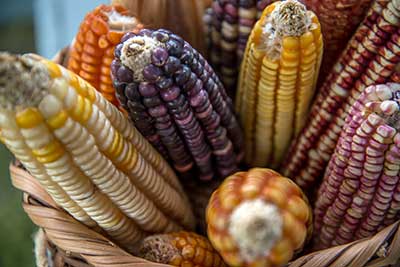
According to another study, other antioxidants such as phenolic acids (coumaric, ferulic and syringic acid) and anthocyanins have also been found in corn, the latter especially in purple varieties.
HEALTH BENEFITS OF CORN
The nutritional composition of corn justifies the positive effects attributed to it on the body.
SUPPORTS BRAIN FUNCTIONS
A serving of 100 grams of cooked corn provides 24% of the daily needs of vitamin B1, 9% of B3 and almost 20% of folic acid, constituting an ally of various brain functions.
Vitamin B1, thiamine, in addition to participating in obtaining energy, is associated with better memory functioning, concentration and good mood and is very suitable for times when great intellectual efforts are made.
Inositol, a form of vitamin B3, not only helps metabolize the carbohydrates, proteins and fats in corn but is very useful in periods of stress, as it promotes the proper functioning of the adrenal glands, also facilitating sleep.
IT IS AN ALLY IN THE GLUTEN-FREE DIET
Corn flour is a primary source for people with digestive problems and for those intolerant and sensitive to gluten. With this flour you can make pasta, bread, cookies and other preparations, since versatility is one of the great benefits of corn.
PREVENTS CARDIOVASCULAR DISORDERS
Corn not only provides, like most vegetables, a good dose of potassium, which contributes to the regulation of blood pressure, but it also provides folic acid.
Folic acid participates in the formation of red blood cells; in the prevention of cardiovascular diseases and in reducing the risk of fetal neural tube defects (spina bifida and anencephaly).
The presence of anthocyanins, antioxidant and anti-inflammatory substances that are precisely what give the purple color, also contributes to the cardioprotective effect in the purple corn variety. Anthocyanins have also been associated with better regulation of insulin and glucose.